I’ve written about Google’s reCAPTCHA v3 before. It’s a verification API, which analyzes the signals fed into it and returns a bot score, based on how “bot-like” the hits are. It’s a great way to validate whether or not to collect data from …
I’ve written about Google’s reCAPTCHA v3 before. It’s a verification API, which analyzes the signals fed into it and returns a bot score, based on how “bot-like” the hits are. It’s a great way to validate whether or not to collect data from …
The automatic provisioning process of the Google Tag Manager server-side tagging service is extremely useful. With just a few clicks of the button, you can have a fully functional (albeit limited to testing use) server-side tagging endpoint on the Google Cloud Platform (GCP). For …

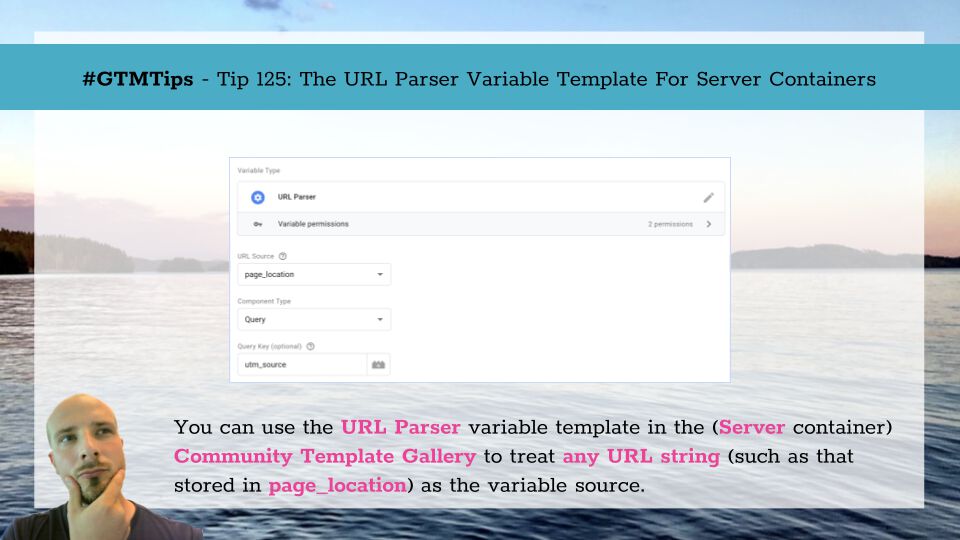
With server-side tagging, you can send any types of HTTP requests to the Server container. The Server container parses these, fires up container instances, and sends the data onwards to first-party data stores and third-party vendors alike. Often these requests contain URL …
Facebook has now officially released their Conversions API tag template for server-side tagging in Google Tag Manager. With this tag template, you can create a server-side tag that fires with any Client designed to parse requests into a unified event model. One such Client …

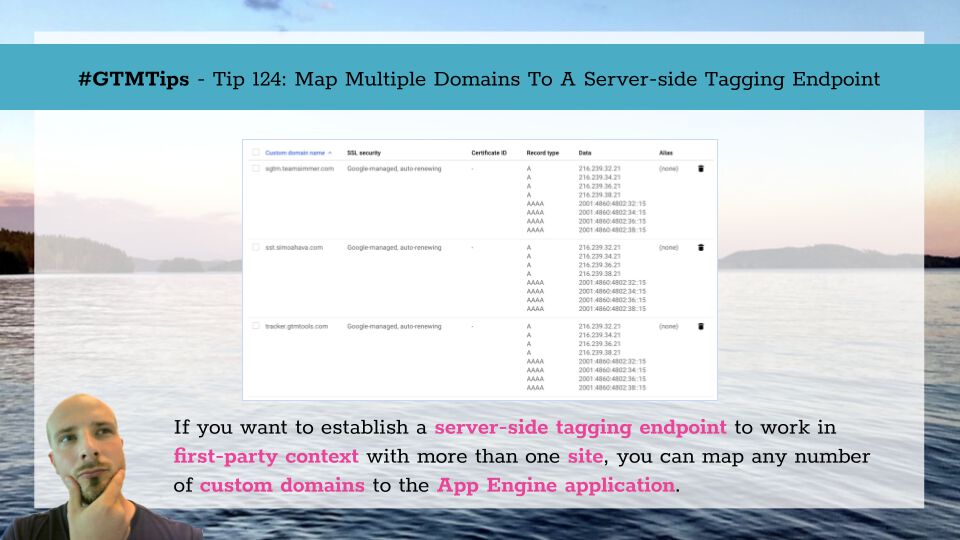
One of the biggest perks of working with server-side tagging is that you can establish a first-party context between the site sending the data and the server-side tagging endpoint itself. This leads to many benefits, including improved control of the data streams, the possibility …
Ever since it was released that server-side tagging in Google Tag Manager would run on the Google Cloud Platform stack, my imagination has been running wild. By running on GCP, the potential for integrations with other GCP components is limitless. The output to Cloud Logging …

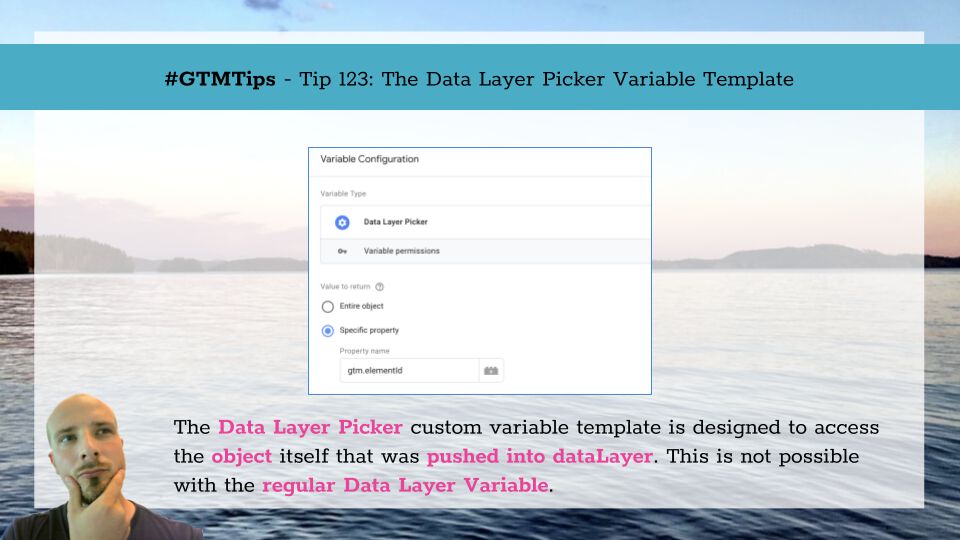
There’s a new custom variable template in town! The Data Layer Picker template lets you create variables that have a singular, exceptional (in Google Tag Manager’s context, at least) purpose: You can access the keys and values that were in the object pushed into …