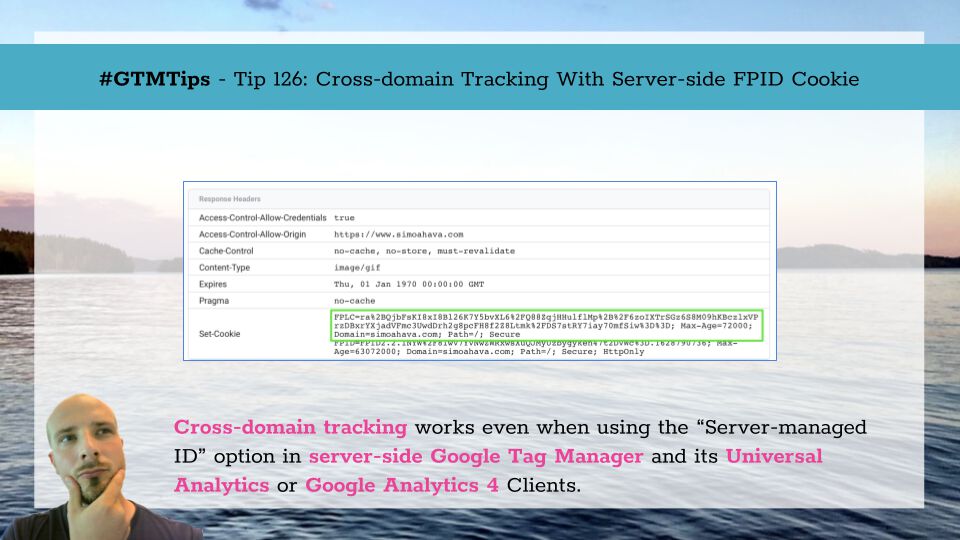
The FPID cookie in server-side tagging for Google Tag Manager is an HttpOnly, server-managed ID cookie that’s designed to replace the JavaScript-managed _ga cookie used by Google Analytics 4 and Universal Analytics. For more details about the cookie itself, check out my …
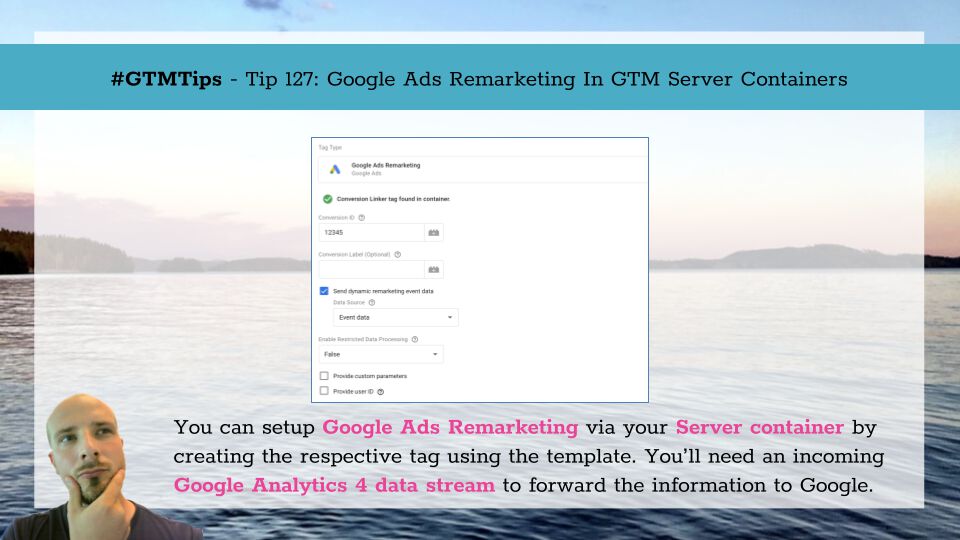
One of the biggest blockers for Google Tag Manager’s server-side tagging to slip out of beta is Google Ads. Until server-side tagging supports a solution for both conversions and remarketing capabilities to be reproduced server-side, it’s unlikely that Server …

Since Google Tag Manager released the manual setup guide for server-side tagging, my mind has been spinning with the idea of walking through the deployment into Amazon’s AWS. I personally prefer Google Cloud Platform over AWS, because I think it’s so much more …

Last updated 1 December 2023: New consent signals added Ever since Google Analytics released the first features of consent mode, I’ve been anxiously waiting for news about a more tightly-knit integration with Google’s preferred implementation solution: Google Tag …

Important! I really do not recommend using this in production. The only proper way of loading Google scripts from server-side Google Tag Manager containers is to use the official Web Container Client. This template was introduced at a time when the script loading mechanism in …

I’ve written about Google’s reCAPTCHA v3 before. It’s a verification API, which analyzes the signals fed into it and returns a bot score, based on how “bot-like” the hits are. It’s a great way to validate whether or not to collect data from …

The automatic provisioning process of the Google Tag Manager server-side tagging service is extremely useful. With just a few clicks of the button, you can have a fully functional (albeit limited to testing use) server-side tagging endpoint on the Google Cloud Platform (GCP). For …