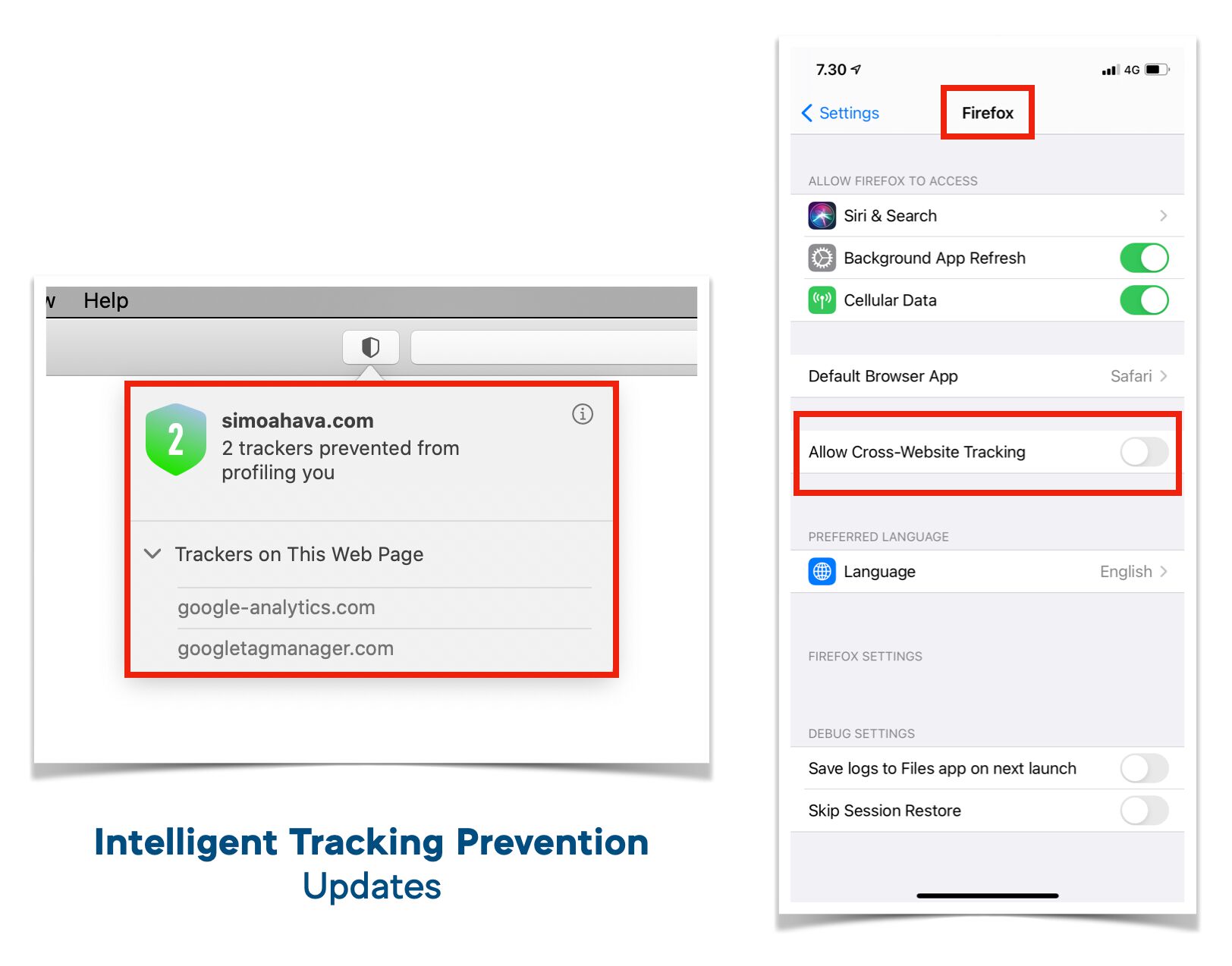
Apple’s annual Worldwide Developer Conference in late June this year included a couple of big announcements around Apple’s approach to privacy in their software. The new Privacy Report in Safari 14 (on all platforms) uses DuckDuckGo’s tracker radar list to …
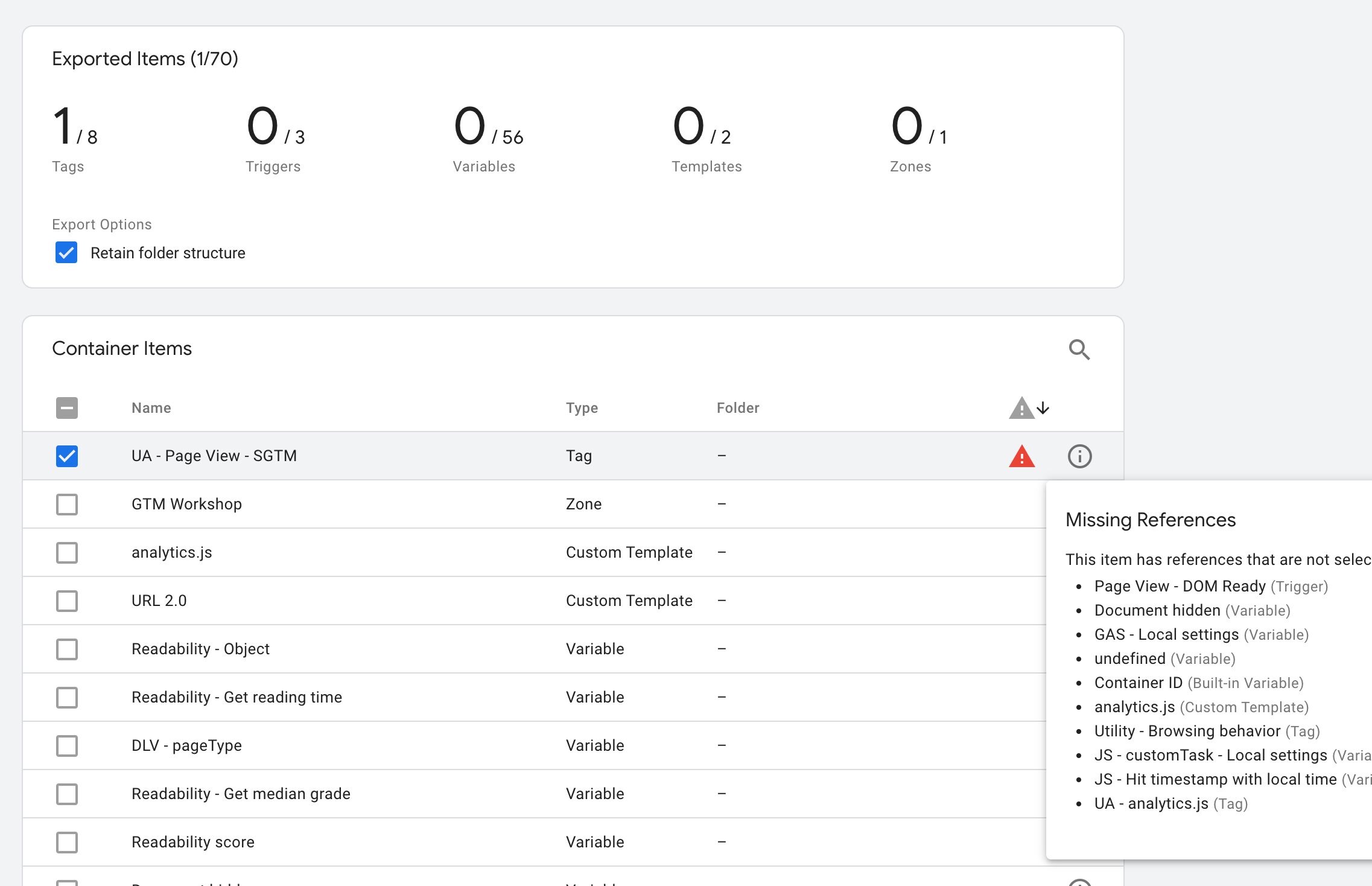
Exporting a container in Google Tag Manager can have many purposes. From backing up Google Tag Manager versions to creating and distributing repositories of useful container snapshots, the container export is one of the most useful non-tagging-related tools that the GTM user …

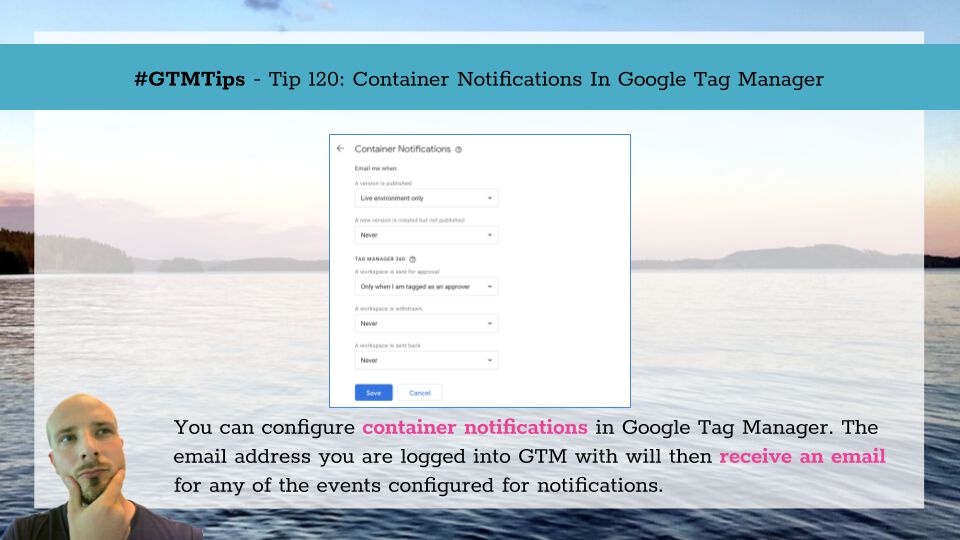
A recent update to Google Tag Manager introduced container notifications. By subscribing to container notifications, your Google Tag Manager login email address can be configured to receive an email for some of the key workflows in Google Tag Manager: containers getting …

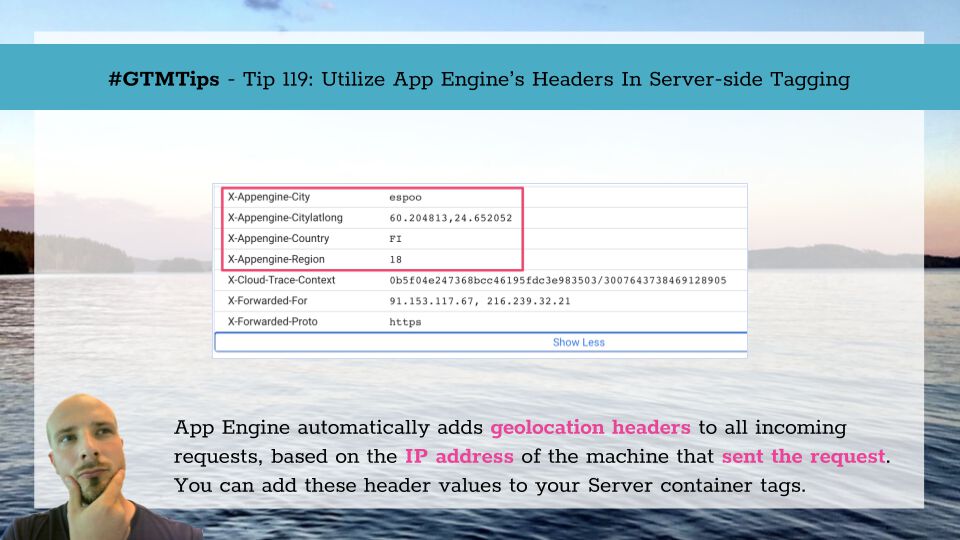
When you create a Server container in Google Tag Manager, GTM creates an App Engine deployment in the Google Cloud Platform for you. App Engine is a managed serverless platform, which basically means it’s a (set of) virtual machine(s) running in the cloud, with some extra …

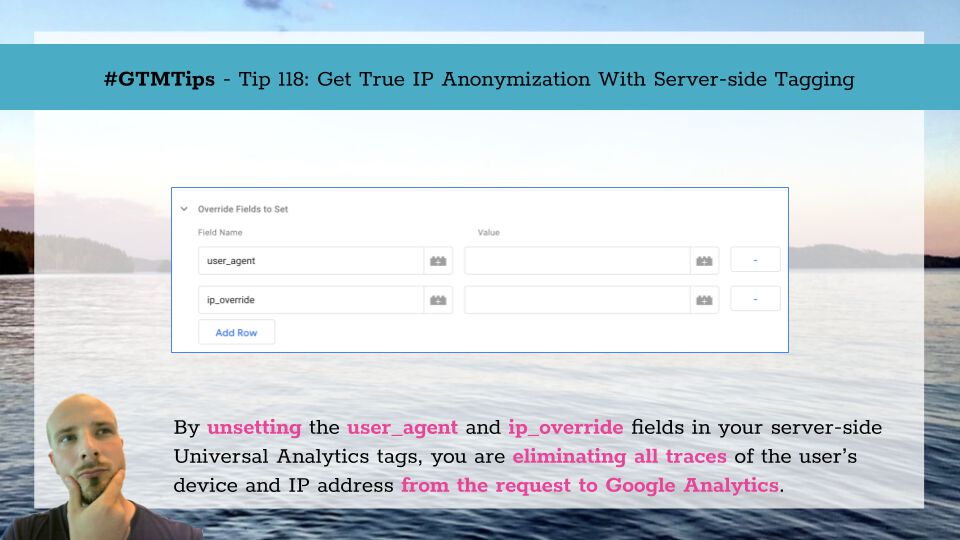
Since the release of Server-side tagging in Google Tag Manager, I’ve jumped at every opportunity to celebrate the tools it provides for improving end-user privacy and data security. One of the biggest benefits is obfuscation-by-default. Since all hits are passed through the …

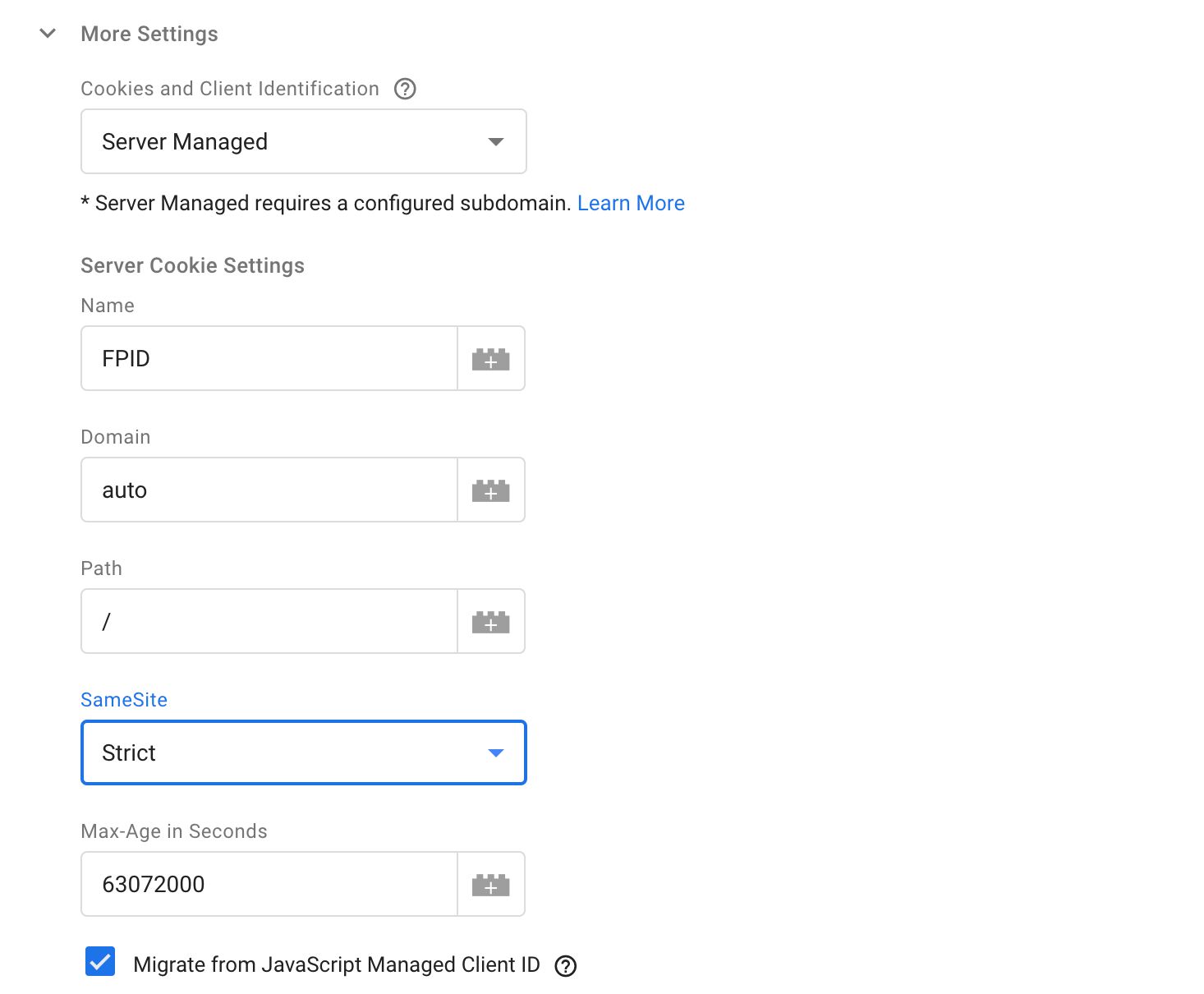
Last updated 27 April 2023 with details about preventing FPID access in cookieless scenarios. With Server-side tagging, the developer community has a chance to vastly improve the data collection capabilities of Google’s analytics platforms (Universal Analytics and …

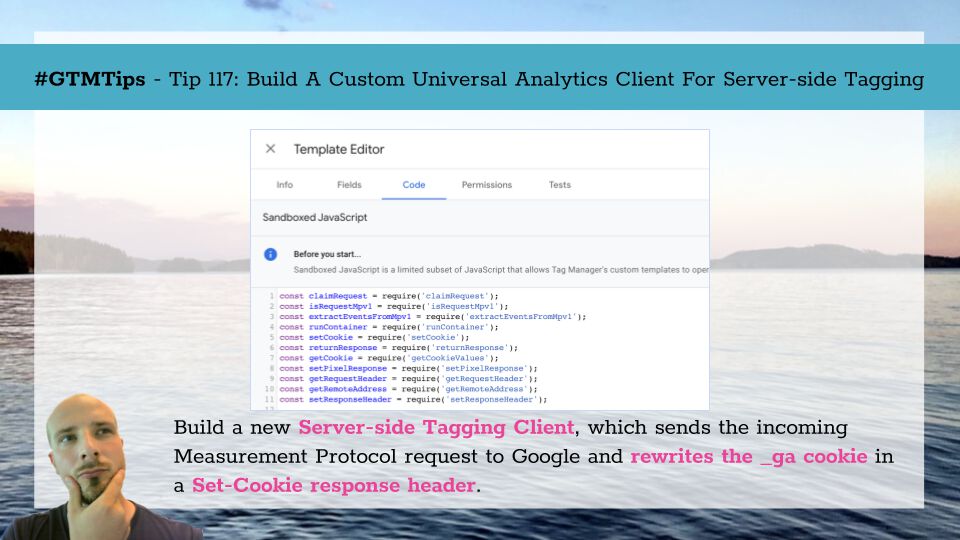
You can utilize Server-side tagging in Google Tag Manager to build your own custom Universal Analytics proxy. This proxy comes in the shape of a new Client custom template, which takes the incoming /collect requests and sends them to Google Analytics. While doing so, it also …