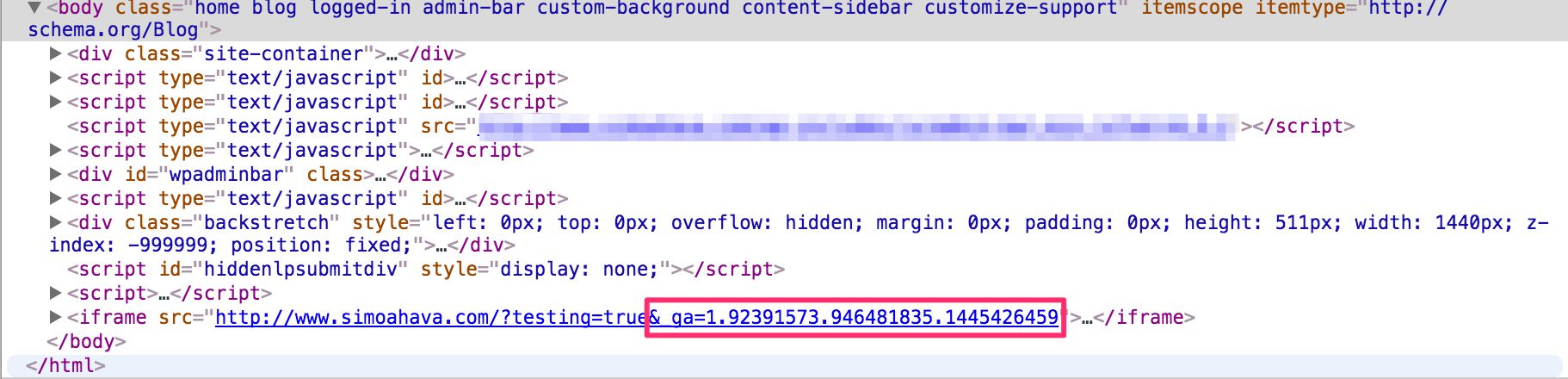
NOTE! This solution has been upgraded, and the new approach can be found here. If you’re unfamiliar with the lingo, cross-domain tracking is a hack used by Google Analytics to circumvent the web browser’s same-origin policy. Essentially, the policy dictates that …
The Simmer Newsletter
Subscribe to the Simmer newsletter to get the latest news and content from Simo Ahava into your email inbox!
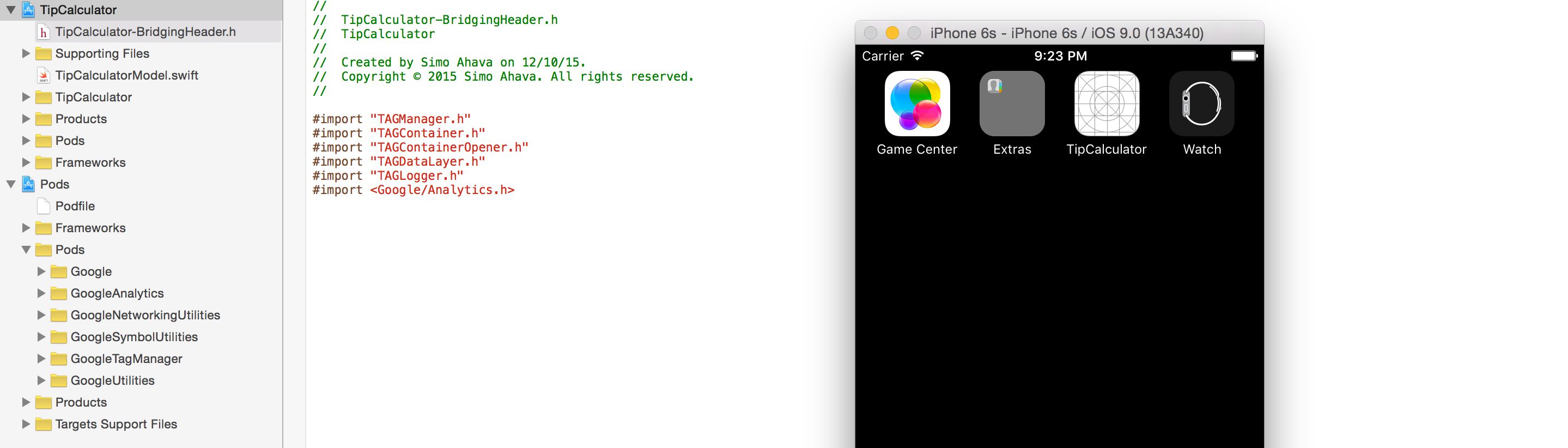
I’ve been meaning to write about Google Tag Manager for mobile apps for such a long time. Finally, I have some great use cases to share, as well as some useful examples for implementing GTM for iOS. That’s right, this is an iOS guide, and, to be more specific, geared …

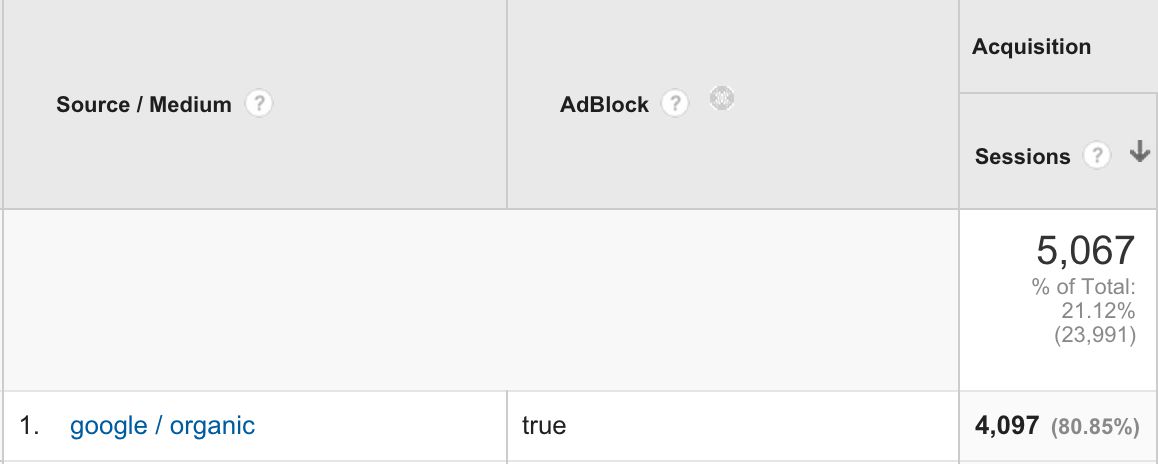
So, looks like iOS 9 has built-in support for integrating “content blocking” extensions on your iPhone. Now, blocking ads and other intrusive content is nothing new, nor do I want to get into a debate about whether it’s a good thing or not. But as a data geek …

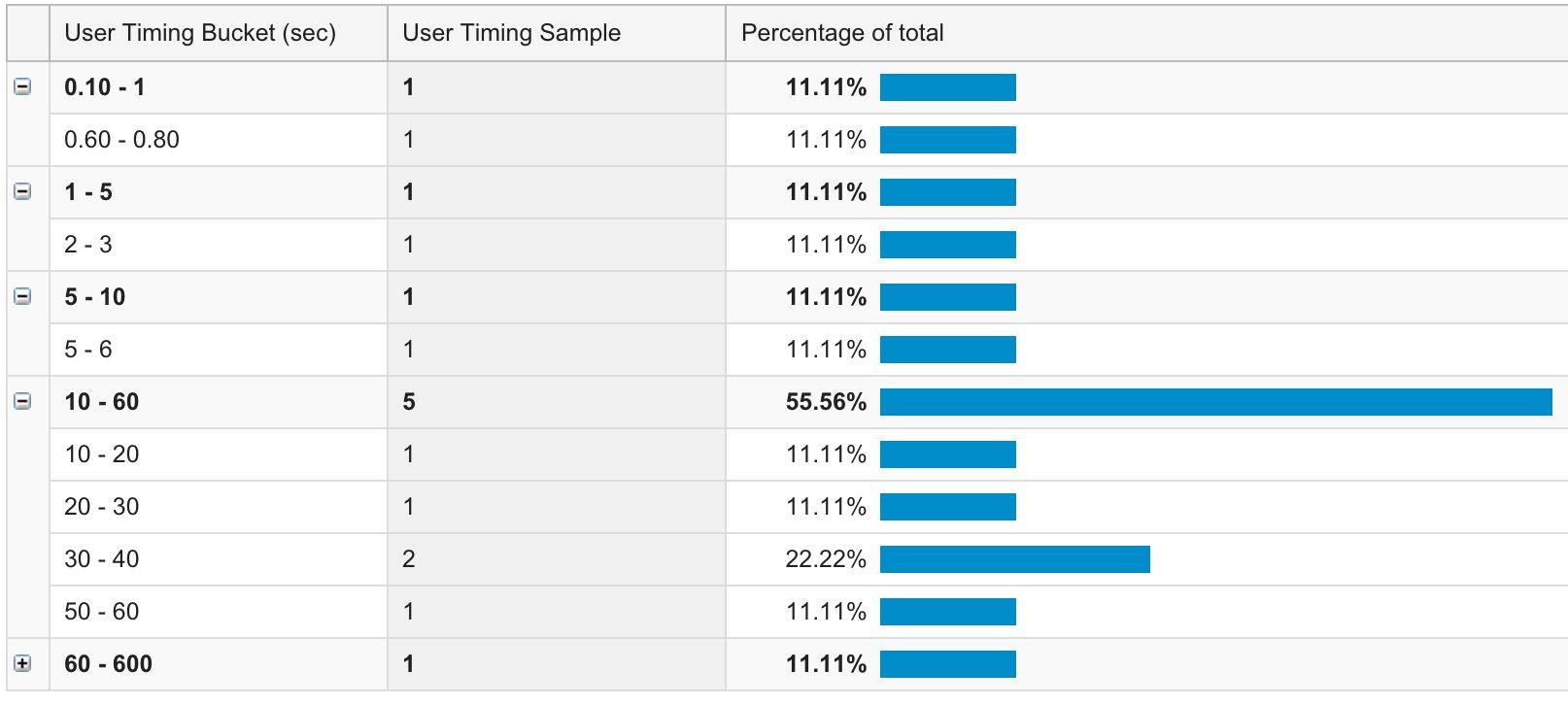
Here’s an interesting and hacky use case for you. It’s all about uncovering bounce metrics for visits which originate from organic Google search results. In particular, the metric we’re interested in is how long user dwelled on the landing page after arriving …

Every now and then we want to create a bridge between the stateful machines we send data to (e.g. Google Analytics), and the stateless environment where we collect the data itself (e.g. Google Tag Manager). This is not easy. There is no synergy between Google Analytics and Google …

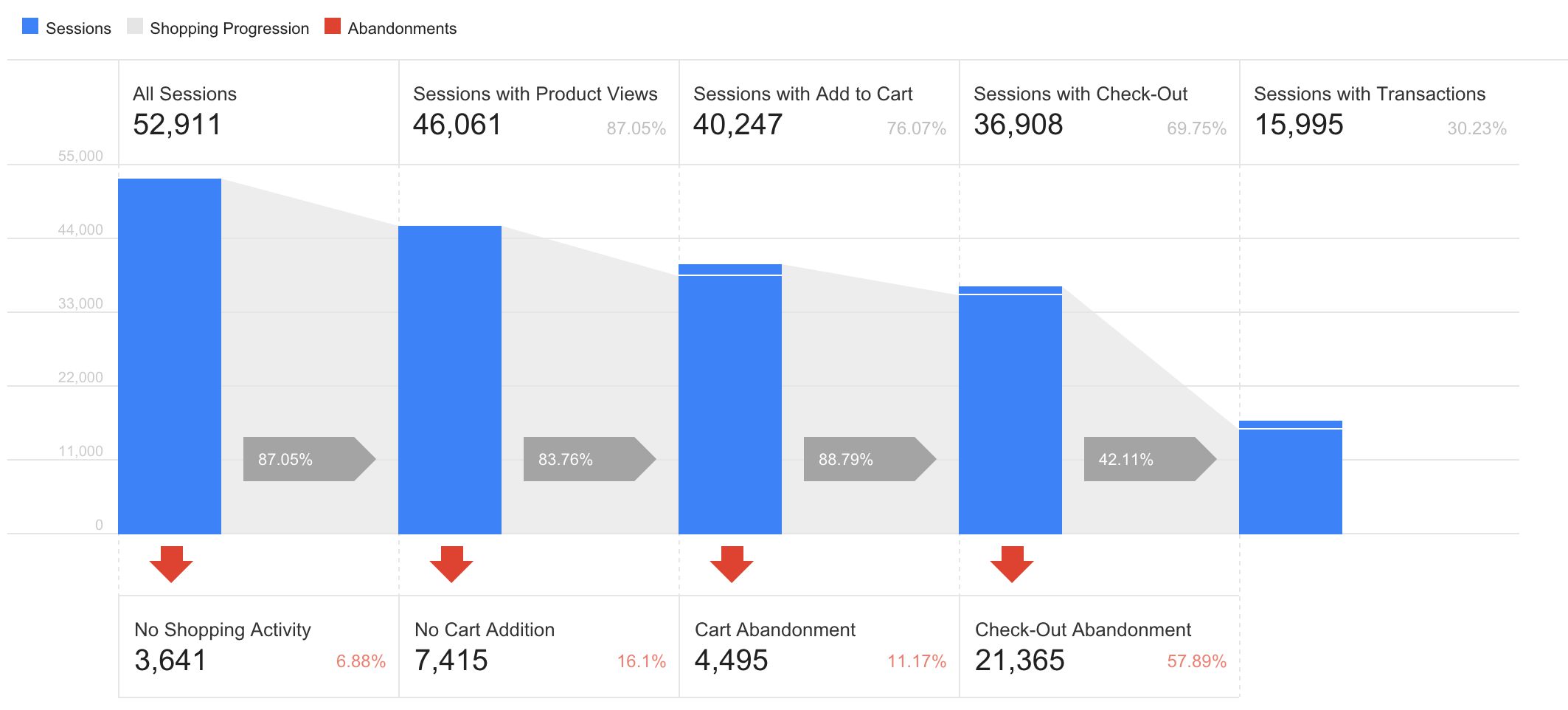
Enhanced Ecommerce is undoubtedly an excellent feature of Google Analytics. It provides us with a set of reports that truly extend the capabilities of funnel-based website analysis. As I’ve shown before, it’s also very useful for tracking other transactional events on …

Unfortunately, iFrames still exist. They are used to embed content from one page into another. Frames are horrible, nasty things, very often riddled with cross-domain problems, performance issues, responsive design obstructions and other crap from the nether pits of hell. …