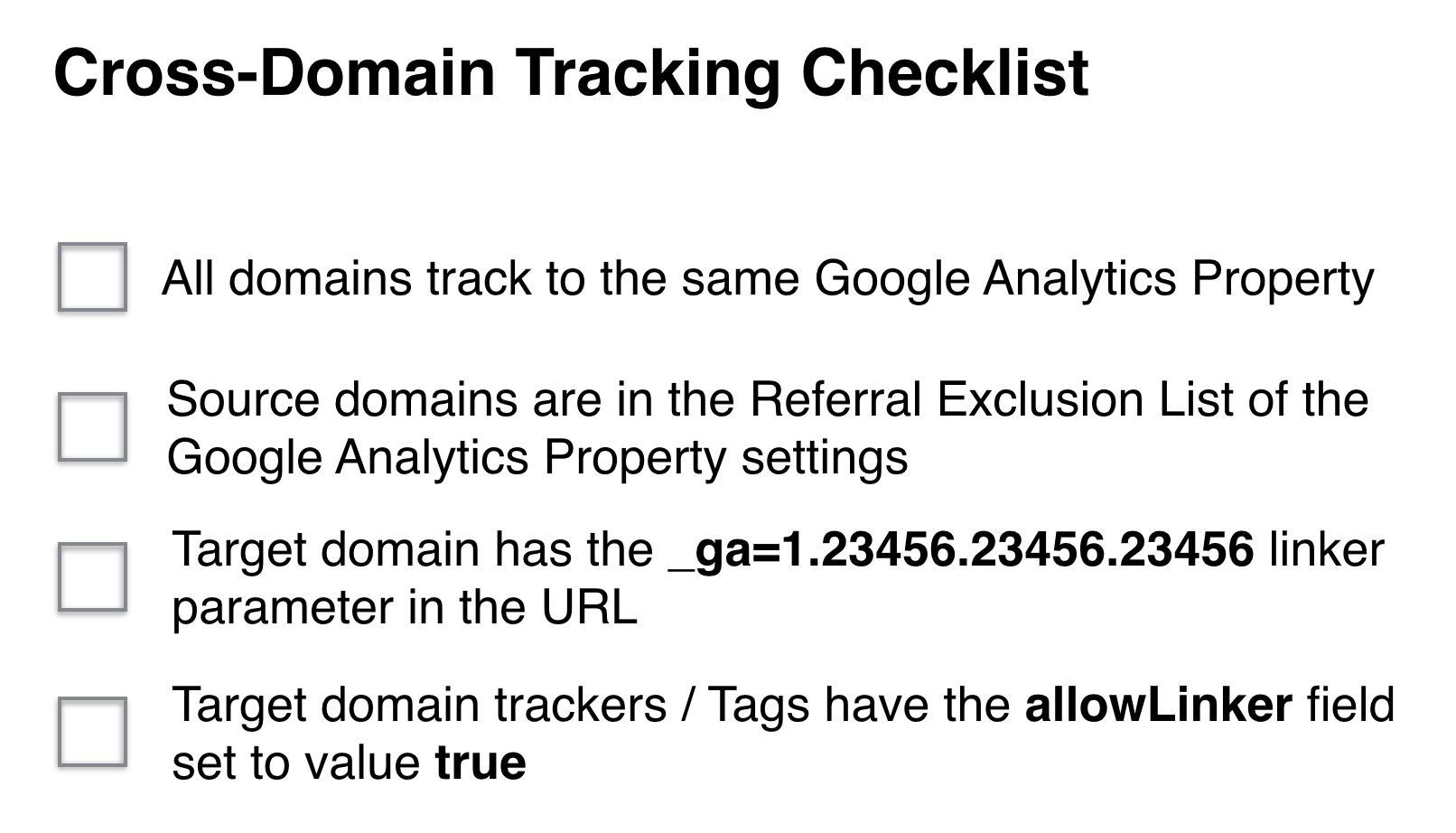
Cross-domain tracking, in Google Analytics, is the process of passing information stored in browser cookies from one domain to another. Due to web browsers’ same-origin policy, a browser cookie is only available to the domain it is written on and all its subdomains (by …
The Simmer Newsletter
Subscribe to the Simmer newsletter to get the latest news and content from Simo Ahava into your email inbox!
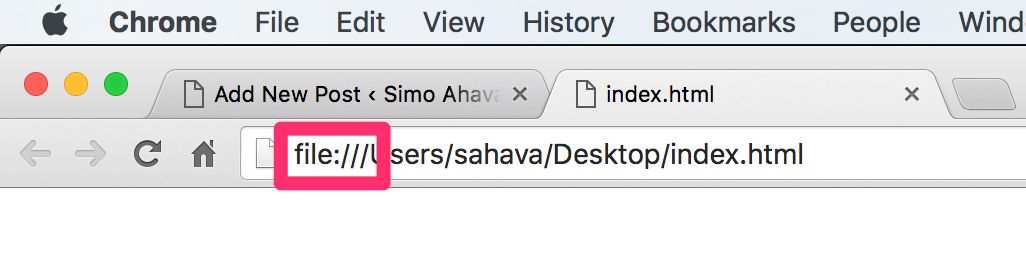
Last updated 2 March 2018. Every now and then you might be urged to run Google Tag Manager and/or Google Analytics locally, meaning without the benefit of a web server serving your files. In other words, you’re loading an HTML file from your computer in the web browser. You …

There are times when I’m disappointed with Google’s developer documentation, especially for Google Tag Manager. Most of the time they get it right, and I’d say around 80% of questions being thrown around the forums can be answered just by reading through the …

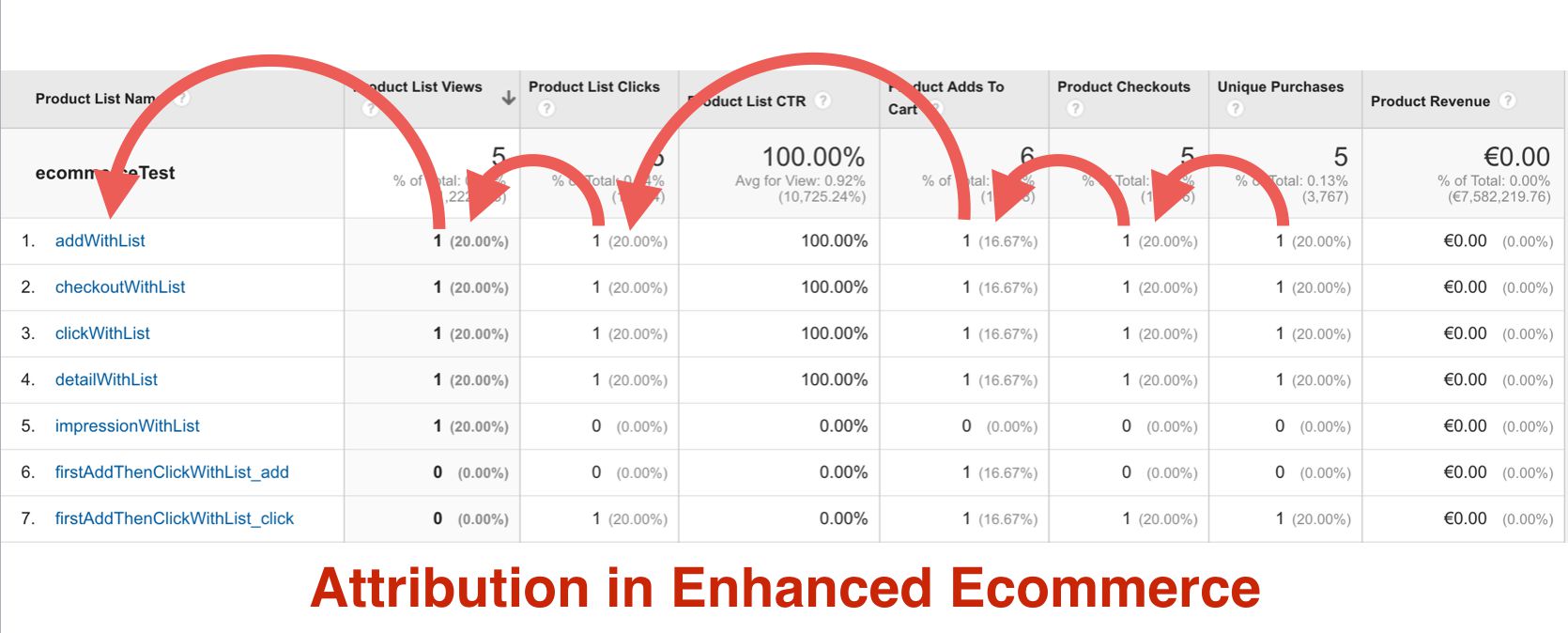
Enhanced Ecommerce is a very useful set of reports in Google Analytics. They extend the standard Ecommerce funnel, which measures only purchases, and allow you to observe products from the very first impression, through various interactions, all the way to the purchase and even …

Have you created a Chrome Extension, and now you’re dying to find out how users are interacting with it? Perhaps you want to see what features are (not) being utilized, or perhaps you’re just interested in knowing if people are actually using it. In this article, …

I have very little against Google Analytics’ default dashboards. The reason I shy away from them is because they lack the type of customization I’ve come to expect from a dashboarding tool. On top of that, they only let you look at GA data, and I learned early on in …

Google Tag Manager is a great tool. Yeah, you came all the way to this article to read that truism. It also performs really well, loading at a sweet, swift pace even on a slow connection, thanks to pretty decent response times from Google servers. On top of that, the library …